For much of the twentieth century, affordable housing in the United States was conceived as a distinct residential category, shaped by financing structures and development practices that separated housing for lower-income residents from the broader civic and commercial functions of the city. Federal housing legislation and subsequent urban renewal policies contributed to the construction of large residential developments that were frequently financed and managed independently of surrounding urban infrastructure. The consequences of this approach, including concentrated poverty, deteriorating buildings, unequal access to services, and the eventual demolition of prominent public housing projects, are extensively documented in modern architectural and urban planning discourse.
Today, the provision of affordable housing is closely tied to economic and regulatory mechanisms that determine financial feasibility, ranging from land values and construction costs to zoning regulations and public subsidies. Programs for housing credits play a significant role in financing affordable rental housing, while the competitive allocation of resources and the constant pressure to maximize housing delivery place considerable emphasis on strict regulatory compliance. However, architects, urban designers, and policy analysts are increasingly looking beyond traditional paradigms to rethink how affordable housing interacts with the communities it serves. Rather than treating residential blocks as isolated islands, contemporary mixed-use developments are beginning to embed critical civic infrastructure directly into their overarching design frameworks.

This shift represents a departure from past urban experiments. Historically, the segregation of affordable housing from civic amenities created environments lacking in daily conveniences, public spaces, and institutional support. Modern interventions seek to reverse this dynamic by co-locating residential units with public facilities such as neighborhood libraries, community centers, retail spaces, and accessible green areas. By weaving civic functions into the fabric of affordable housing projects, developers and architects are attempting to foster greater social integration, reduce spatial fragmentation, and enrich the urban experience for residents and neighboring communities alike.
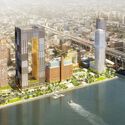
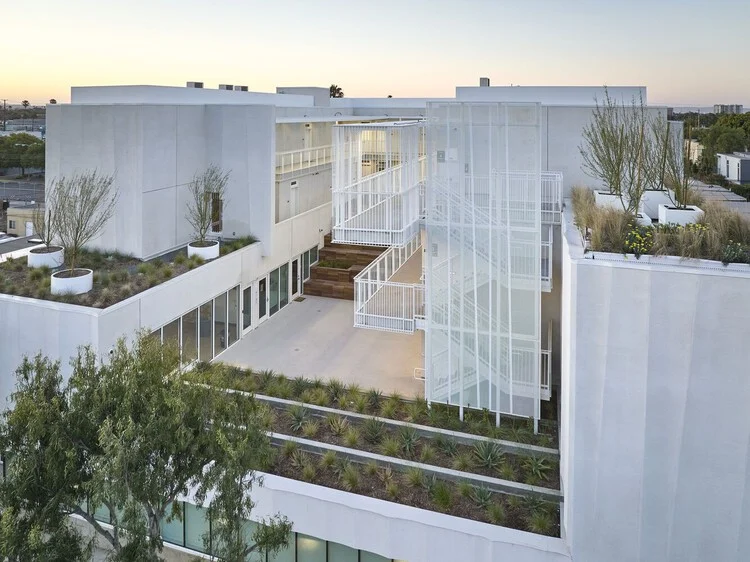
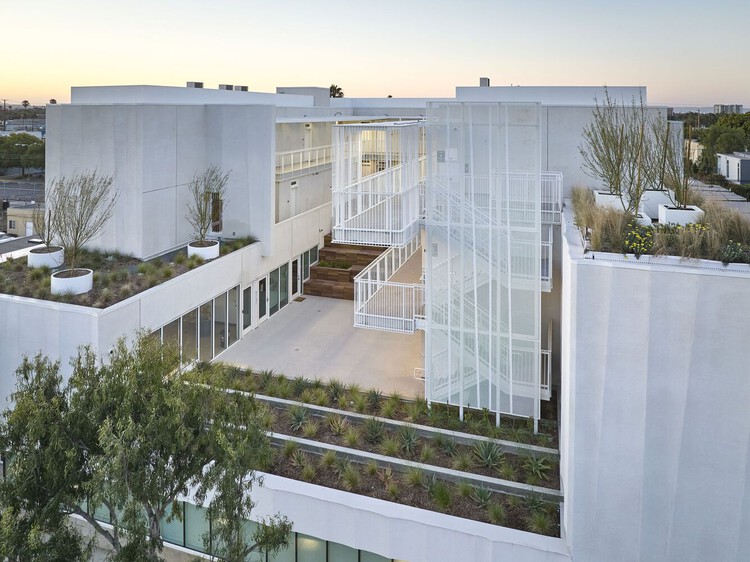
The economic pressures governing housing production make this integration both challenging and necessary. With land scarcity and rising construction costs pushing urban developments toward greater density, mixed-use models offer a practical solution to maximize the utility of limited urban space. When a single development incorporates both affordable homes and essential public infrastructure, it optimizes municipal resource allocation and strengthens the neighborhood network. Projects like the Rose Apartments by Brooks + Scarpa and the Independence Library and Apartments designed by John Ronan Architects exemplify this evolving design sensibility, demonstrating how architectural innovation can merge residential needs with vibrant public programming.

These contemporary developments illustrate that affordable housing can serve as a catalyst for community enrichment rather than a marginalized typology. By moving past the restrictive financial and spatial silos of the twentieth century, current architectural practices in the United States are establishing a new benchmark for urban living. The integration of civic infrastructure into mixed-use developments points toward a more inclusive, resilient, and interconnected future for American cities, redefining how residential architecture can support the holistic needs of urban populations.