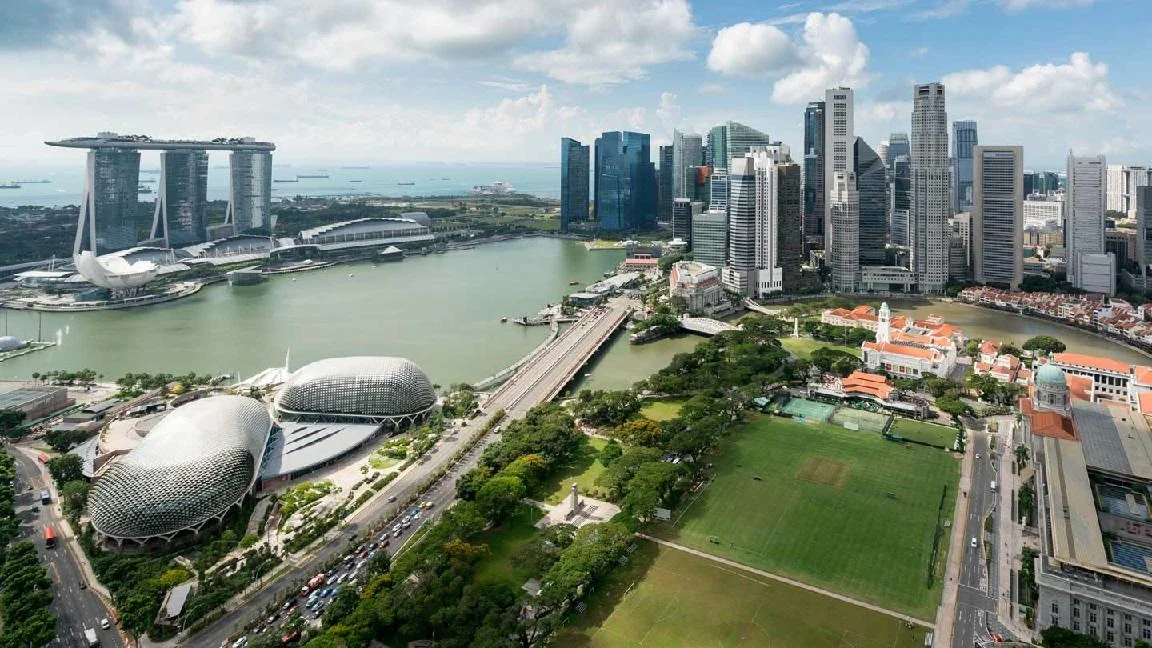
Singapore’s Ministry of Energy, Trade and Industry has officially announced the release of an updated Singapore Standard 673 (SS 673), introducing tighter regulations for companies utilizing Renewable Energy Certificates (RECs) to demonstrate their consumption of renewable electricity for corporate sustainability reporting. Under the newly revised standard, any Scope 2 claims made by businesses using RECs must now be directly tied to clean energy that is physically supplied to the Singapore power grid.
The announcement was made by Gan Siow Huang, Minister of State for Energy, Trade and Industry, during an address at the Asia Clean Energy Summit. According to Gan, the updated standard is designed to reinforce market integrity, elevate trust in corporate sustainability disclosures, and actively combat growing concerns regarding greenwashing that have been raised by regulators, investors, and industry stakeholders alike.
Renewable Energy Certificates serve as critical market instruments in the modern corporate landscape. Each REC represents the environmental, social, and non-power attributes associated with one megawatt-hour (MWh) of renewable energy that has been successfully generated and delivered to an electricity grid. Companies worldwide rely on these certificates to substantiate their market-based Scope 2 greenhouse gas emissions claims, which account for indirect emissions stemming from the generation of purchased electricity, heating, and cooling consumed by reporting entities.
Singapore originally launched the SS 673 standard in 2021. The framework was initially established to provide a robust structure that could improve the integrity of measurement, reporting, and verification (MRV) requirements governing the issuance, tracking, and management of RECs. Furthermore, the original standard set out established good practices for conducting REC transactions and making associated environmental claims within the domestic market. However, as global corporate sustainability reporting frameworks have matured and corporate net-zero commitments have intensified, regulators recognized the need to refine these rules to close loopholes that could permit misleading environmental claims.
Under the newly updated version of SS 673, the Singaporean government has introduced much stricter specifications regarding the precise types of RECs that can legitimately support claims of renewable electricity consumption within the country. Specifically, the revised standard mandates that companies making claims of renewable electricity usage must utilize RECs that are directly linked to renewable electricity supplied physically to Singapore’s domestic power grid.

To provide absolute clarity to businesses and market participants, the government explicitly clarified the boundaries of compliance under the revised framework. The newly covered RECs include those originating from renewable electricity generated domestically within Singapore, as well as those sourced from approved low-carbon electricity import projects. Crucially, these imported electricity projects must be contractually supplied via a physical interconnection directly linking the generation source to the Singapore power grid. Conversely, the government emphasized that RECs originating from renewable energy projects that do not physically supply electricity into Singapore will no longer be permitted to support market-based Scope 2 claims locally.
According to Minister Gan, this strategic update successfully aligns Singapore’s domestic standards with evolving international best practices. It also serves as a direct, constructive response to extensive feedback from the business community, which had repeatedly requested greater regulatory clarity regarding what RECs genuinely represent and the specific types of claims they are legally and ethically capable of supporting.
Elaborating on the broader commercial and environmental implications of the revised standard, Gan noted that the enhanced transparency will benefit both corporate governance and the broader energy transition. Businesses operating in the region will now possess significantly greater confidence in the validity and robustness of the renewable electricity claims they publicly disclose in their corporate sustainability reports.

Moreover, Gan pointed out that this heightened assurance could economically influence corporate purchasing behavior. With clearer boundaries and verified integrity, businesses may demonstrate an increased willingness to pay premium prices for imported electricity that comes bundled with credible, verifiable RECs. In turn, the government anticipates that this strengthened market demand could substantially improve the long-term commercial viability of cross-border clean energy import projects, thereby accelerating Singapore’s broader transition toward a sustainable, low-carbon energy future while safeguarding the marketplace against the pervasive risks of greenwashing.