Deutsche Bank has announced that its sustainable and transition financing volumes surged to a record €32 billion (approximately $35.6 billion USD) in the third quarter of 2026. This performance represents a significant 42% increase compared to the same period in the previous year, marking the German banking giant’s strongest quarter since it originally launched its comprehensive sustainability strategy back in 2020.
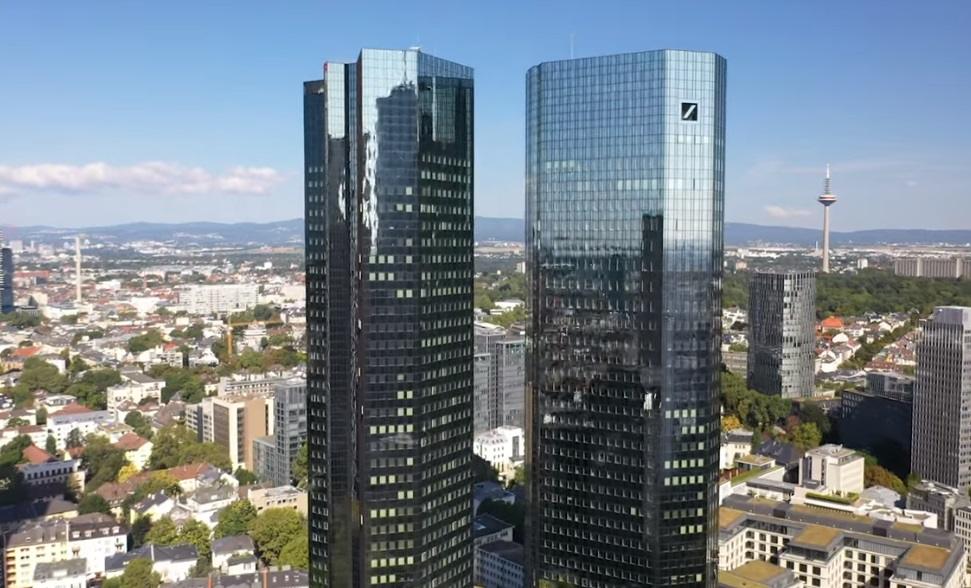
The record-breaking third quarter has propelled the bank’s cumulative sustainable and transition finance volumes for the first nine months of 2026 to €84 billion (USD $93.5 billion). This figure represents a robust 25% growth over the volumes recorded during the corresponding period last year. With these robust gains, Deutsche Bank appears firmly on track to achieve its ambitious overarching target of facilitating €900 billion in sustainable finance by 2030, a goal supported by a cumulative €555 billion achieved since the initiative began in 2020.
Commenting on these historic results, Deutsche Bank Chief Sustainability Officer Jörg Eigendorf pointed to several macro and microeconomic factors driving the sustained acceleration in volumes. Most notably, Eigendorf highlighted a profound and ongoing transformation across global energy markets, alongside favorable tailwinds originating from the broader sustainable bond market.

As corporate entities worldwide navigate an increasingly complex geopolitical and economic environment, the demand for targeted financial advisory and capital deployment has never been higher. Eigendorf noted that companies are actively seeking to strengthen their corporate competitiveness, manage escalating energy costs, and build long-term operational resilience. According to the Chief Sustainability Officer, these corporate priorities heavily necessitated the financing solutions that drove Deutsche Bank’s stellar third-quarter performance.
Adding to the breadth of these financial milestones, Deutsche Bank also reported a notable first-time contribution of €7 billion stemming from private client investments allocated directly into the equity securities of companies that adhere to particularly stringent sustainability criteria. This milestone underscores a deepening integration of environmental, social, and governance principles not just within institutional and corporate banking, but also across retail and wealth management divisions.

These latest figures arrive on the heels of strategic updates rolled out by Deutsche Bank in late 2025. At that time, the institution significantly expanded its sustainability strategy to target critical transition opportunities within historically hard-to-abate sectors—industries such as steel, cement, and heavy manufacturing that face unique technological challenges in decarbonizing. Alongside this strategic expansion, the bank released a dedicated Transition Finance framework designed to establish clear rules, boundaries, and operational parameters for transition finance transactions. This framework underpinned the introduction of an expanded target to facilitate a total of €900 billion in sustainable finance, ESG investments, and transition finance collectively between 2020 and the close of 2030. Reflecting the early success of this framework, Deutsche Bank confirmed that Transition Finance specifically contributed €6.4 billion in the third quarter alone, marking a steady rise from the €4.3 billion recorded in the prior quarter.
A breakdown of the numbers across Deutsche Bank’s primary operating divisions reveals a broad-based contribution to the institution’s sustainability goals. The Investment Bank unit accounted for the largest share of sustainable and transition finance volumes year-to-date, pulling in an impressive €52.4 billion, which represents a 12% increase over the prior year’s period. The Private Bank unit followed with €18.5 billion in volume, while the Corporate Banking division contributed €13.8 billion to the aggregate total, demonstrating that the bank’s sustainability mandate is deeply embedded across its diverse operational pillars as the institution marches toward its 2030 horizon.